

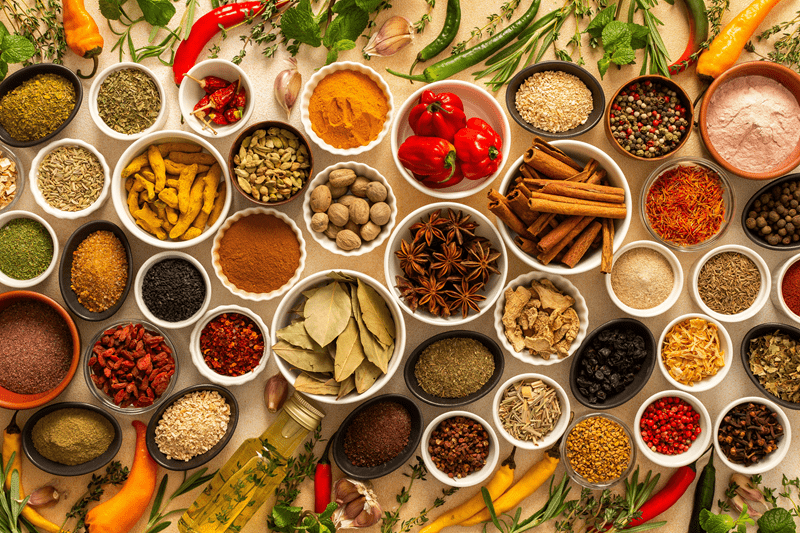
Algeria, the biggest country in the African continent, is known for its extensive desert ranges and Mediterranean shores, but its culinary culture is something that people from all around the world should experience. The culinary culture of Algeria is a diverse blend of culinary styles from the Berber, Arab, Ottoman, and French civilizations. The essence of Algerian culinary culture is the Algerian spice blend that makes the most basic dishes in North Africa noteworthy culinary experiences for anyone interested in culinary arts in the U.S.
Here, we’ll examine what the best Algerian spices are and common North African spices used in preparing traditional dishes with the help of common Mediterranean spices such as ras el hanout and harissa. You may or may not realize that preparing couscous, tajine, or other seafood dishes requires knowledge of such spices.
Algerian spices are a reflection of Algeria’s geography and rich history. Algerian spices range from those sold at markets in Algiers to those in the countryside of the Sahara Desert. Algerian spices are a vital ingredient in Algerian cuisine. Algerian cuisine is renowned for being delicious and memorable.
The use of spices in Algerian cuisine has several functions: spices are used as condiments, as preserving agents, flavoring Algerian seafood, and sometimes spices even possess medicinal qualities. Many households in Algeria mix their spices in a fashion that is commonly practiced in their region.
The main Algerian spices that are used include cumin, coriander, paprika, cinnamon, and cloves. Each of these is vital in ensuring that the interplay of sweet, hot, and earthy tastes is achieved in the Algerian culinary world. However, there are some mixtures that are characteristic of the dishes consumed in the North African regions, such as the ‘ras el hanout’ and ‘harissa’ paste.
One of the most famous Mediterranean spices is ras el hanout, which literally translates to “head of the shop.” This refers to the best spices available to the shop owner and can comprise a mixture of up to 30 different spices.
This spice mix is a must in Algeria for flavoring couscous, meat stews, and roasted vegetables, among other dishes. The complex mix usually includes turmeric, cinnamon, cardamom, ginger, black pepper, and sometimes rose petals, adding a subtle floral note.
For home cooks in the United States, replicating authentic Algerian cuisine is made easier by the convenience of buying pre-mixed ras el hanout at specialty stores or online marketplaces. However, homemade allows for adjustment to heat and aroma according to personal taste.
Ras el hanout is an example of how Algerian spices are used not alone but together in order to create layers of flavors that make North African cuisine stand out in the Mediterranean culinary world.
Another very basic ingredient is the spice made of hot peppers, garlic, olive oil, and a mixture of aromatic spices; its name is harissa. Of course, it first originated in Tunisia but thereafter has found its permanent place in the cuisine of Algeria, particularly in the eastern part of the country.
Harissa lends a smoky, fiery hot flavor to culinary preparations such as grilling meats, soups, and couscous. For a U.S. chef, the spice acts as a useful condiment that turns roasted vegetables, for example, or eggs into a North African culinary experience by adding a touch of the paste. Mixtures of harissa and other Algerian spices such as coriander and cumin deliver extreme yet complex flavors.
This past is a case study of how all the components of the cuisine of North Africa are meant to complement one another, and how Algerian cuisine is part of the Mediterranean concept of spice.
Algerian cuisine is more than just spices. Additionally, Algerian cuisine, which is from North Africa, incorporates some ingredients. Some of these ingredients are grains, legumes, preserved foods, and herbs. Some Algerian foods are:
These ingredients, combined with Mediterranean spices, make delicious meals that are aromatic, colorful, and fulfilling. The list of ingredients outlined here will provide Americans researching these foods with the opportunity to create authentic Algerian meals.
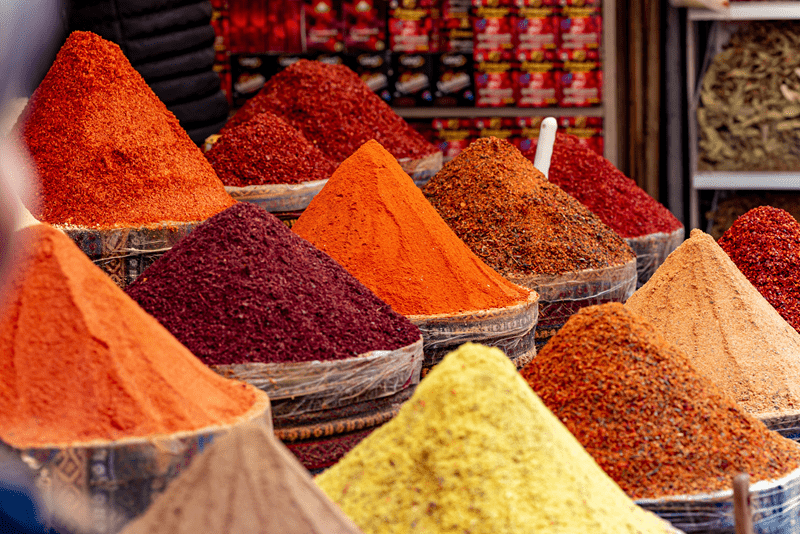
In order to appreciate Algerian spices, it would be a great idea to learn about their use in traditional Algerian cuisine:
The most popular Algerian dish is couscous, usually accompanied by meat (lamb or chicken) or vegetables. Ras el hanout is added to the vegetable stew, giving off a warm, earthy smell, in addition to the use of harissa, which adds an element of heat to the dish.
This is a conventional soup that is made using a combination of tomatoes, onions, carrots, and meat, along with the use of Algerian spices. The major spices used are coriander and cumin, and the addition of paprika makes it slightly hot, while herbs add freshness to the dish at the end.
Contrary to the Moroccan tajine, the Algerian tajine is stew-like and makes extensive use of Mediterranean spices. Ras el hanout is the common accompaniment to either lamb or chicken, while harissa adds the required punch to the stew. The inclusion of apricots and raisins highlights the fondness of the region's cuisines for the combination of sweet and savory.
In terms of home cooking in the U.S., the concept of combining Algerian flavors might be daunting, but it is not impossible to do so if one considers the following tips:
Thus, through the progressive incorporation of Algerian spices and North African ingredients, you would be able to attain the actual flavor of Algerian food.
Many of the spices in Algerian cuisine not only taste great, but they also provide several health advantages, and this helps to explain why they're popular in the Mediterranean diet, because of the health benefits associated with them:
Adding these spices to food ensures that we derive flavor from food, in addition to practicing a healthy lifestyle.
The availability of genuine Algerian spices in the U.S. market has improved due to the growth of the Internet and the rise of cyber spice shops. Many American supermarkets in big cities such as New York, California, or Chicago now stock Ras el Hanout and Harissa. Cyberspace shops provide spice blends or loose spices to the passionate who seek to prepare the cuisines.
When shopping, you should pick spices as follows:
Keeping a well-stocked spice cabinet with Algerian spices means you can experience the whole range of flavors of Algeria right in your own kitchen.
Algerian cuisine is a grand celebration of scents, flavors, and a rich cultural heritage. At the heart of Algerian cuisine sit the spices of Algeria and North African cuisine, rendering simple cuisine into works of art. Ras el hanout, the aroma of exotic spices, and the fiery hot taste of harissa capture the spirit of Algerian cuisine.
For Americans interested in international cuisine, the addition of such spices to the diet is a great way to experience North Africa through cuisine. Couscous, tajines, and chorba are more than recipes—welcome to a tradition where the combination of Mediterranean spices and wholesome ingredients is prized.
The discovery of Algerian spices and ingredients is quite an exciting experience that is also a chance to diversify your palate by bringing North African flavors home. If you are an expert cook or a food explorer, you will surely find an interesting depth of flavors within Algerian spices that has a dash of magic.
Ras el hanout is a North African spice mixture with a complicated combination of 10-30 different spices, including cinnamon, cardamom, and turmeric. It is different from other spice mixes because it is intended to produce several flavors at once instead of emphasizing just one.
Yes, harissa can be used in moderation or blended with yogurt or olive oil to tone down the heat, and it helps to add depth without being overpowering.
A3: Yes. In addition, most spices used in Algerian cuisine, such as cumin, coriander, cinnamon, and turmeric, possess health-giving qualities that reduce inflammation and assist digestion.
This content was created by AI